Daily Nutritional Guidance and Vitamin Awareness
Explore educational content about vitamins, minerals, and balanced nutrition for everyday wellbeing. Our knowledge hub provides evidence-based information about natural food sources and dietary awareness.
Educational content only. No promises of outcomes.
Learn more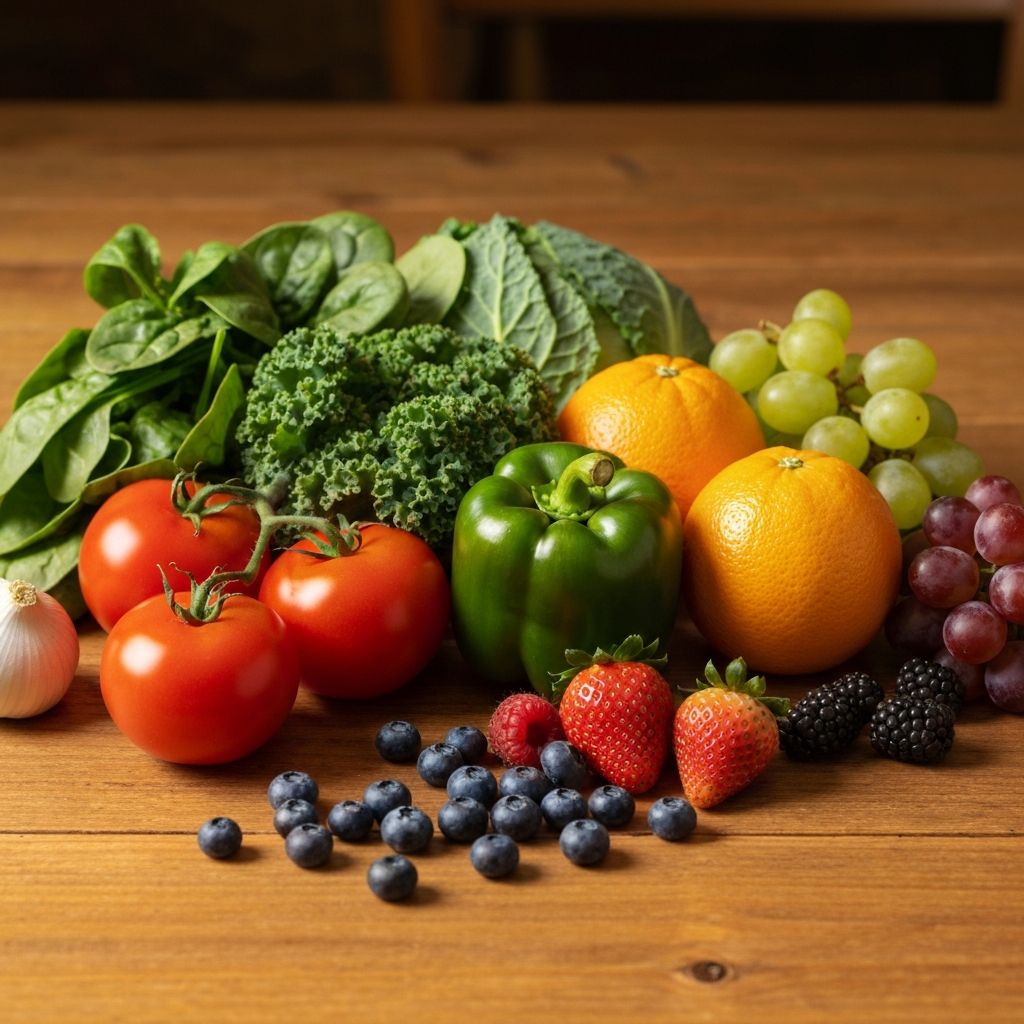
Vitamins Overview
Vitamins are essential micronutrients that play various roles in maintaining bodily functions. Understanding different vitamin groups helps build awareness about balanced nutrition.
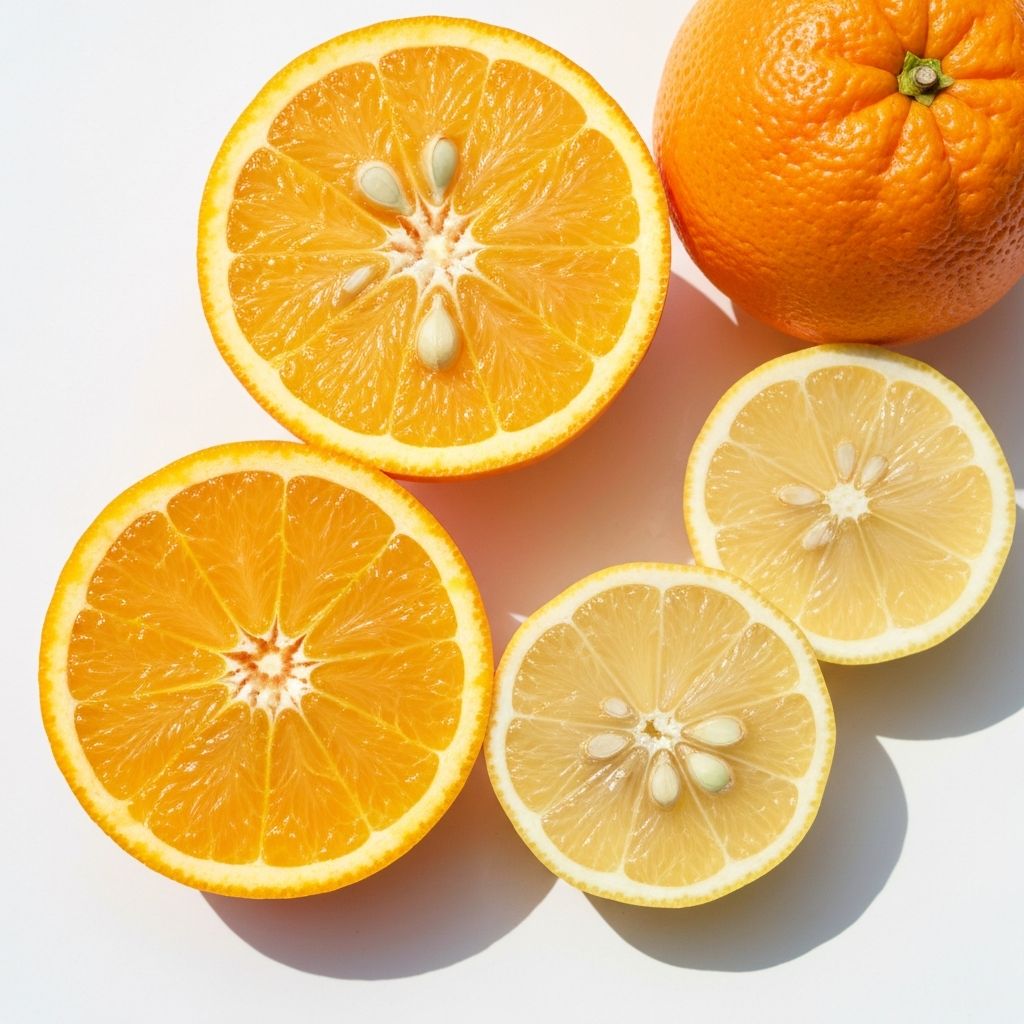
Vitamin C
Vitamin C is a water-soluble nutrient found in citrus fruits, berries, and leafy greens. It participates in various biochemical processes and is commonly discussed in nutritional science.
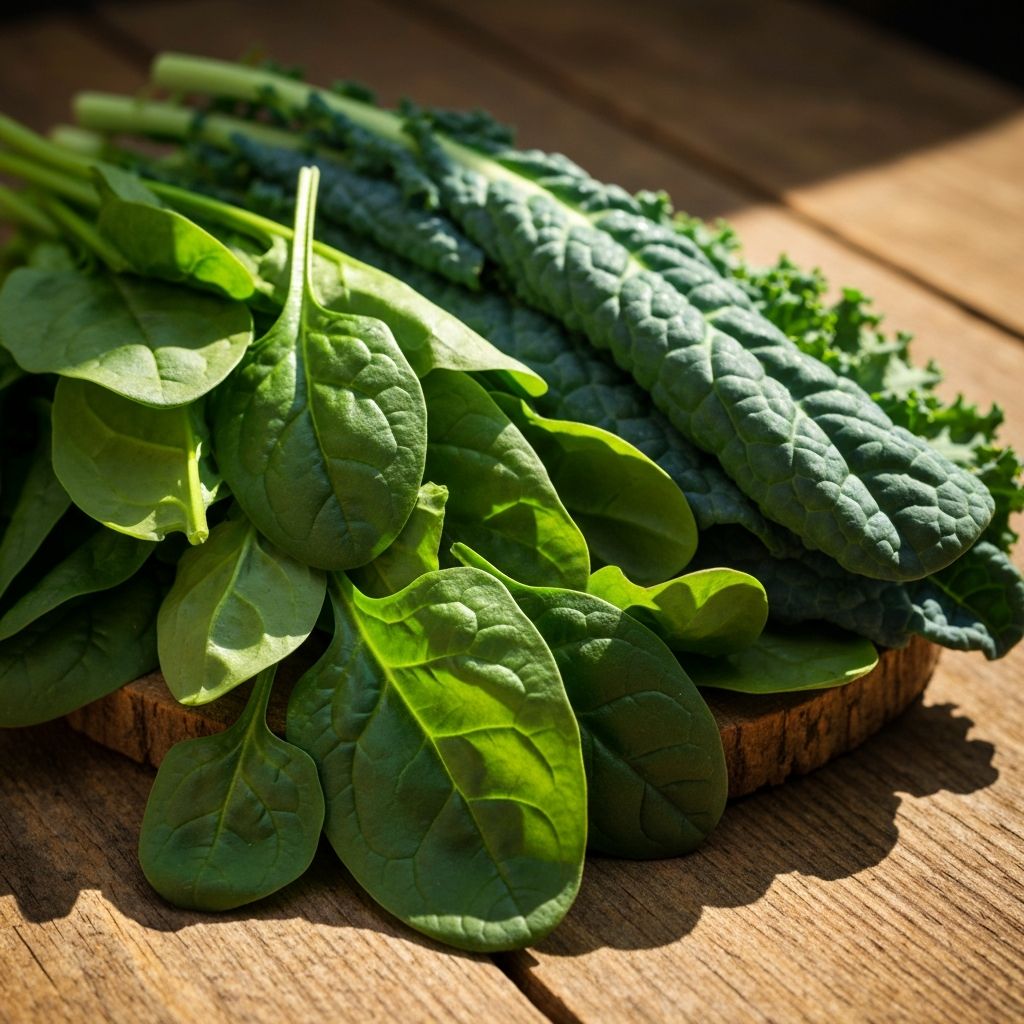
Vitamin K
Vitamin K exists in green vegetables like kale and spinach. Nutritional literature describes its involvement in protein synthesis and bone metabolism.
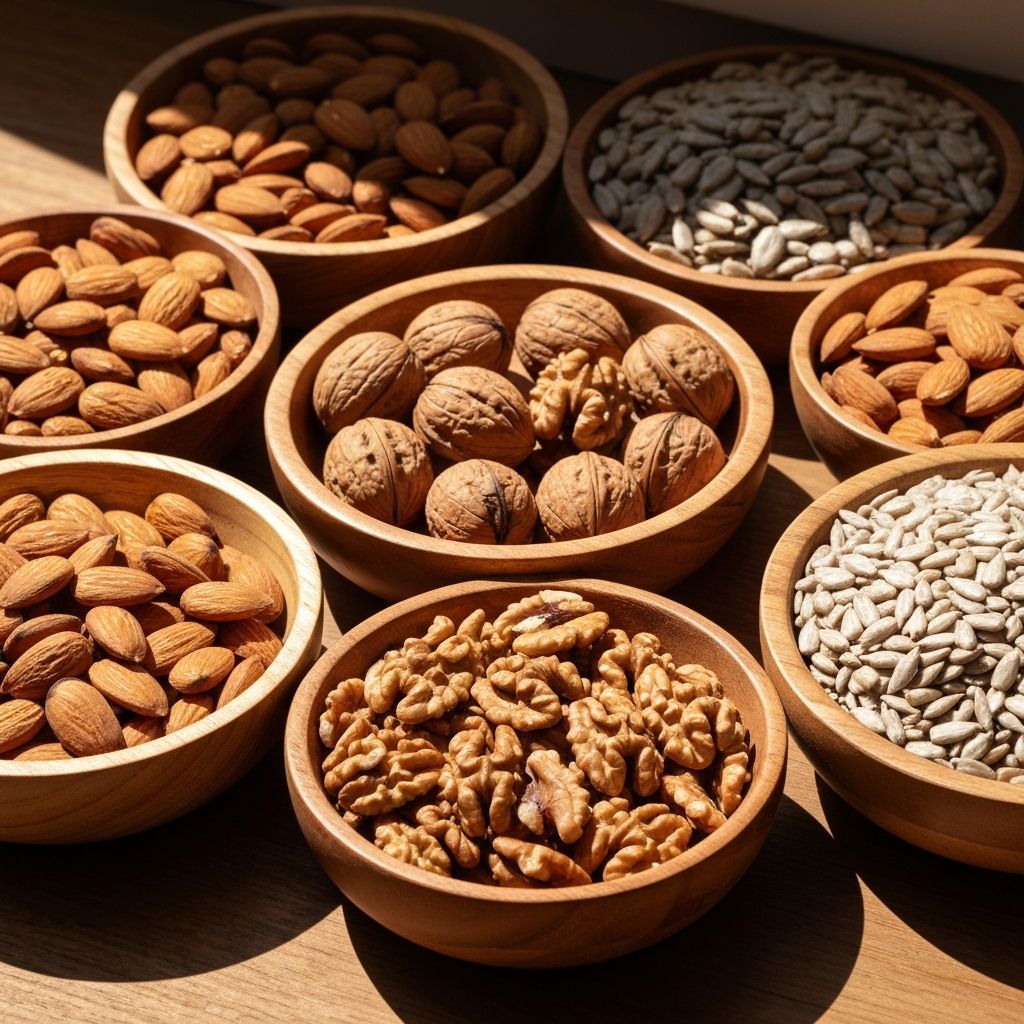
Vitamin E
Vitamin E is present in nuts, seeds, and plant oils. Scientific research examines its antioxidant properties and role in cellular function.
Daily Nutrient Guide
Daily nutrition encompasses a variety of nutrients beyond vitamins. This section explores the broader context of nutritional components that are part of everyday food choices.
Macronutrients
Proteins, carbohydrates, and fats constitute the macronutrient groups. Each serves distinct functions in energy provision and cellular structure. Balanced intake of these components is a common theme in dietary education.
Micronutrients
Micronutrients include vitamins and minerals required in smaller quantities. Zinc, magnesium, selenium, and B vitamins are examples frequently mentioned in nutritional contexts for men.
Hydration
Water intake supports numerous physiological processes. Adequate hydration is emphasized across nutritional guidelines as fundamental to daily wellness routines.
Fiber
Dietary fiber from whole grains, legumes, and vegetables contributes to digestive processes. Research literature discusses its role in gut health and metabolic function.
Natural Food Sources
Natural foods provide diverse nutrients. This section highlights common food categories and their nutritional profiles according to scientific databases.
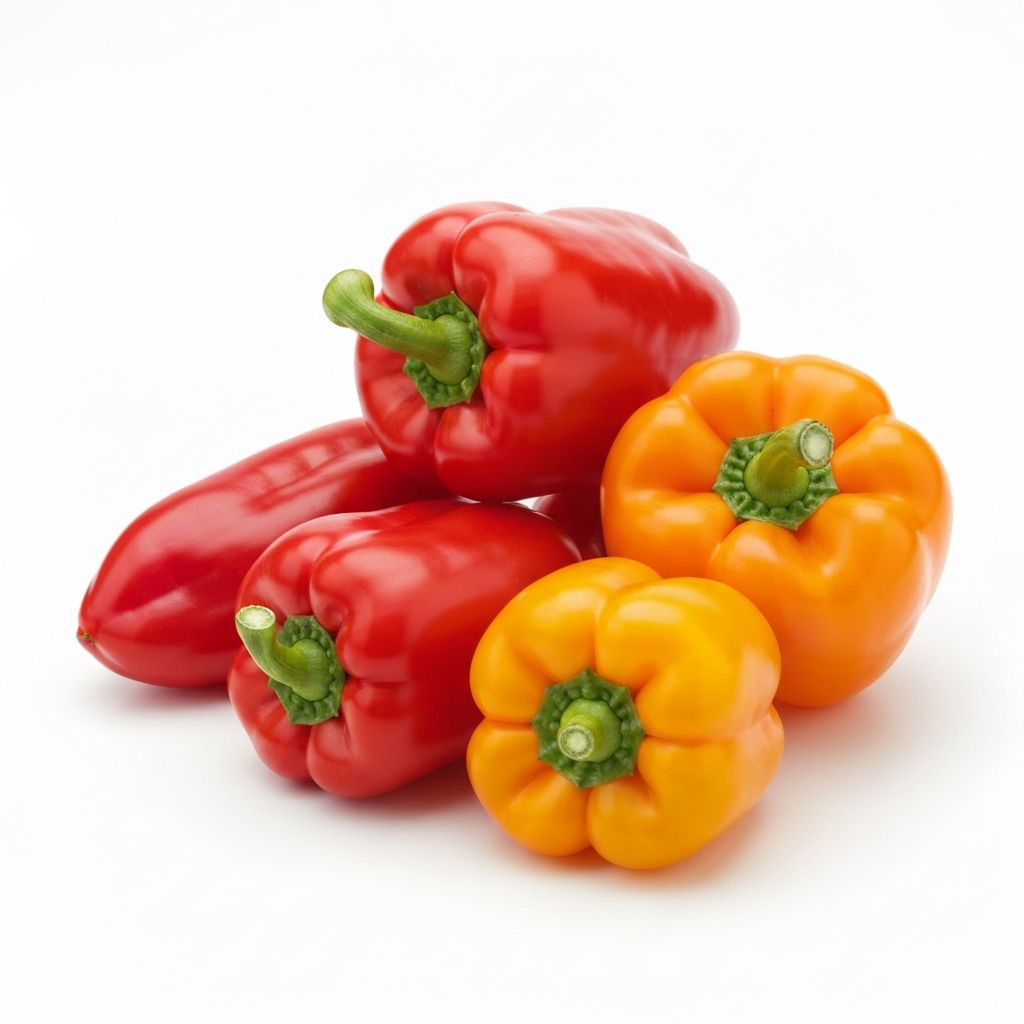
Vegetables
Bell peppers, tomatoes, broccoli, and cauliflower contain vitamin C, carotenoids, and various minerals. Nutritional databases catalog their diverse phytonutrient profiles.
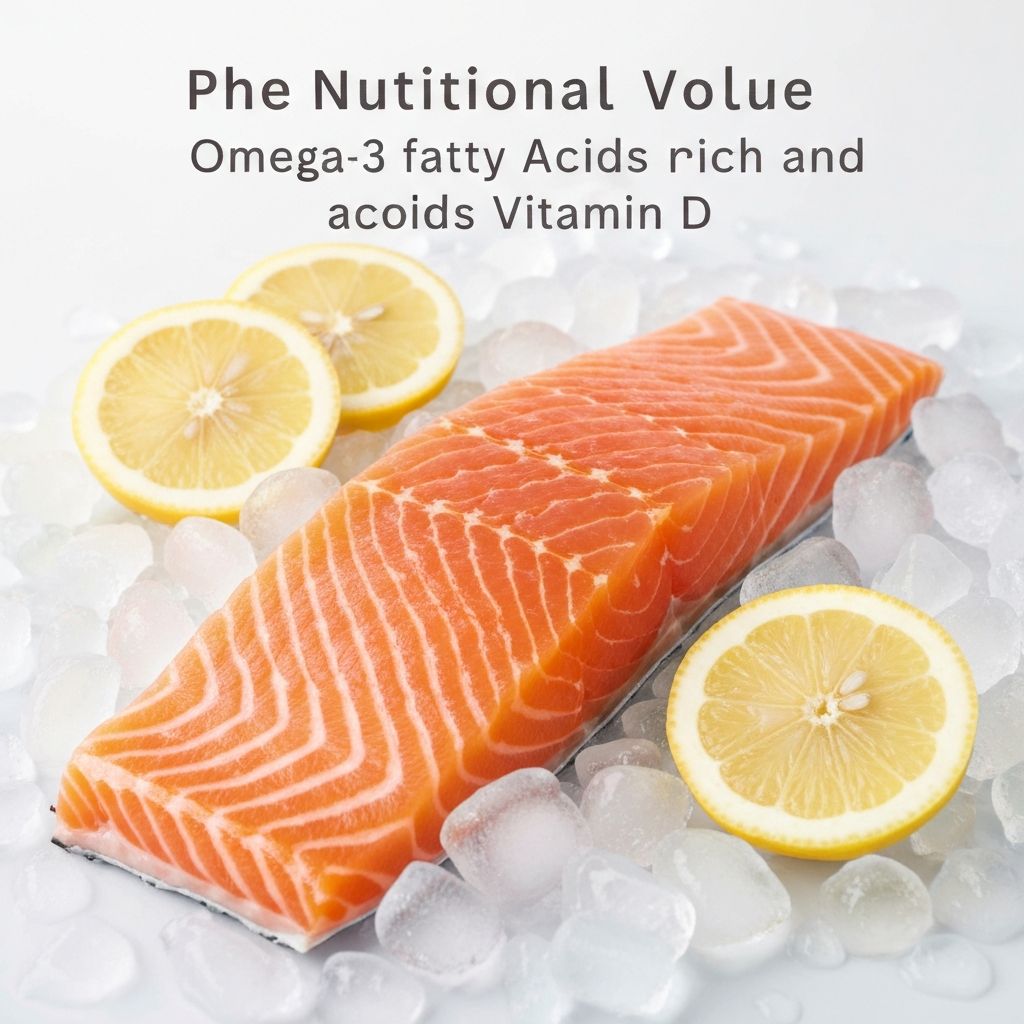
Fish
Fatty fish such as salmon provide omega-3 fatty acids and vitamin D. Marine sources are studied extensively in nutritional epidemiology.
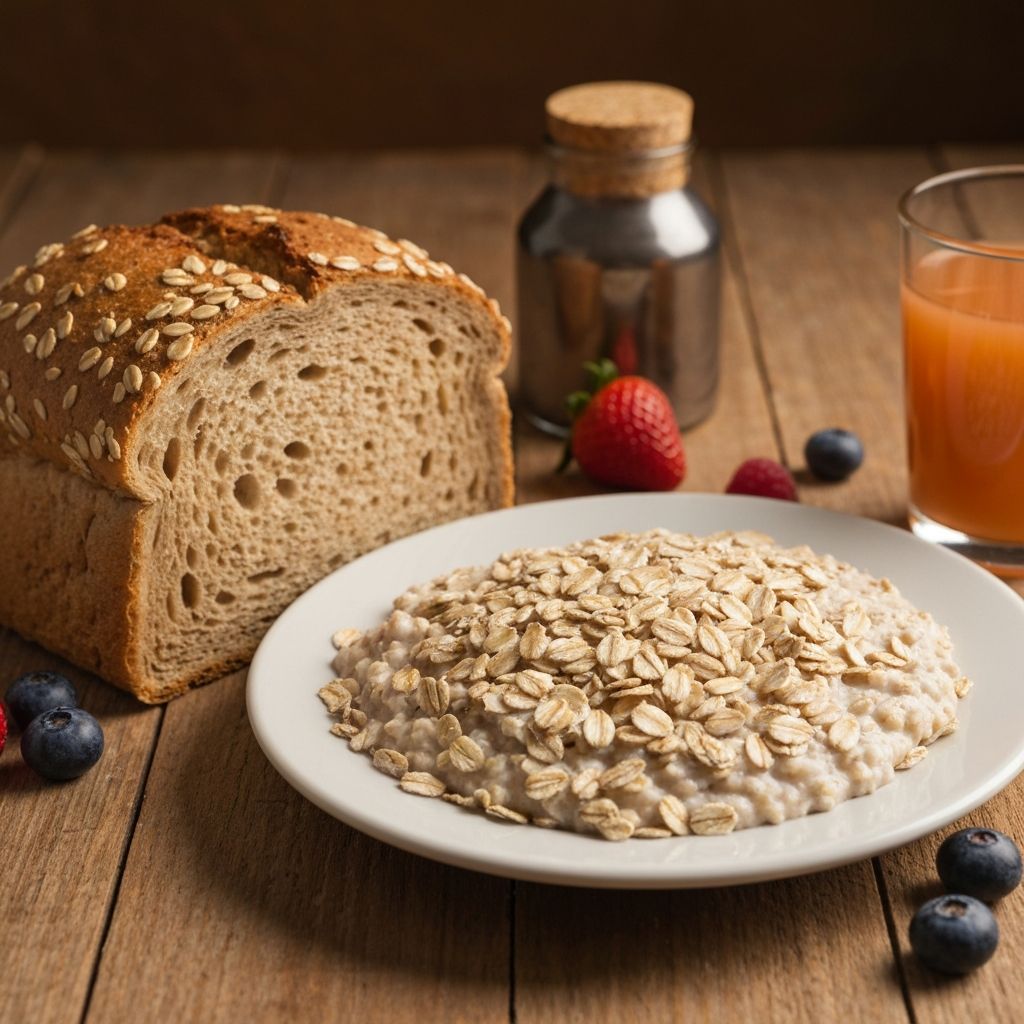
Whole Grains
Oats, brown rice, and whole wheat offer B vitamins, fiber, and minerals. These staples appear in dietary pattern research worldwide.
Infographic: Balanced Diet
A balanced diet incorporates various food groups. Visual representations help illustrate the diversity recommended in nutritional education materials.
25%
Vegetables
Dark leafy greens, colorful vegetables, root vegetables
25%
Proteins
Fish, poultry, legumes, nuts, eggs
25%
Whole Grains
Brown rice, oats, whole wheat, quinoa
25%
Fruits
Berries, citrus, apples, seasonal fruits
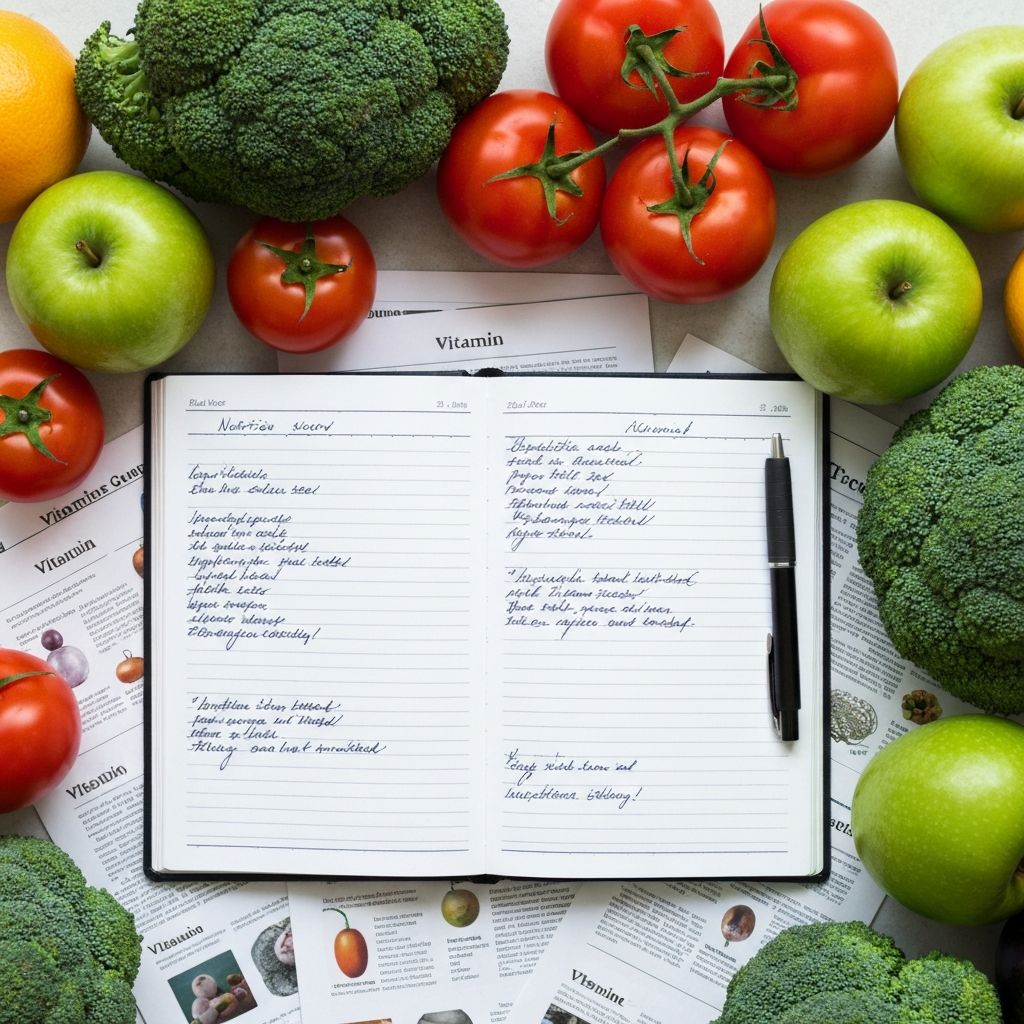
Expert Insights
Nutritional science evolves through ongoing research. Academic institutions and health organizations regularly publish findings about dietary patterns, nutrient metabolism, and food composition.
Studies examine how different populations consume nutrients, regional dietary habits, and the nutritional content of various foods. This body of knowledge informs educational resources about nutrition.
Scientific literature describes biochemical pathways, nutrient interactions, and the role of diet in physiological processes. These insights provide context for understanding nutritional recommendations.
Myth vs Fact
Nutritional information circulates widely, and distinguishing evidence-based facts from common misconceptions supports informed understanding.
Myth
All fats are harmful and should be avoided completely.
Fact
Nutritional science distinguishes between different types of fats. Unsaturated fats from sources like olive oil, avocados, and nuts are studied for their role in balanced diets.
Myth
Supplements can completely replace a varied diet.
Fact
Whole foods provide complex combinations of nutrients, fiber, and phytochemicals. Research emphasizes food-first approaches in nutritional education.
Myth
Carbohydrates are universally detrimental.
Fact
Complex carbohydrates from whole grains, vegetables, and legumes are recognized as important energy sources in dietary guidelines globally.
Nutrient Categories
Nutrients are classified into categories based on their chemical structure and biological roles. Understanding these classifications helps organize nutritional knowledge.
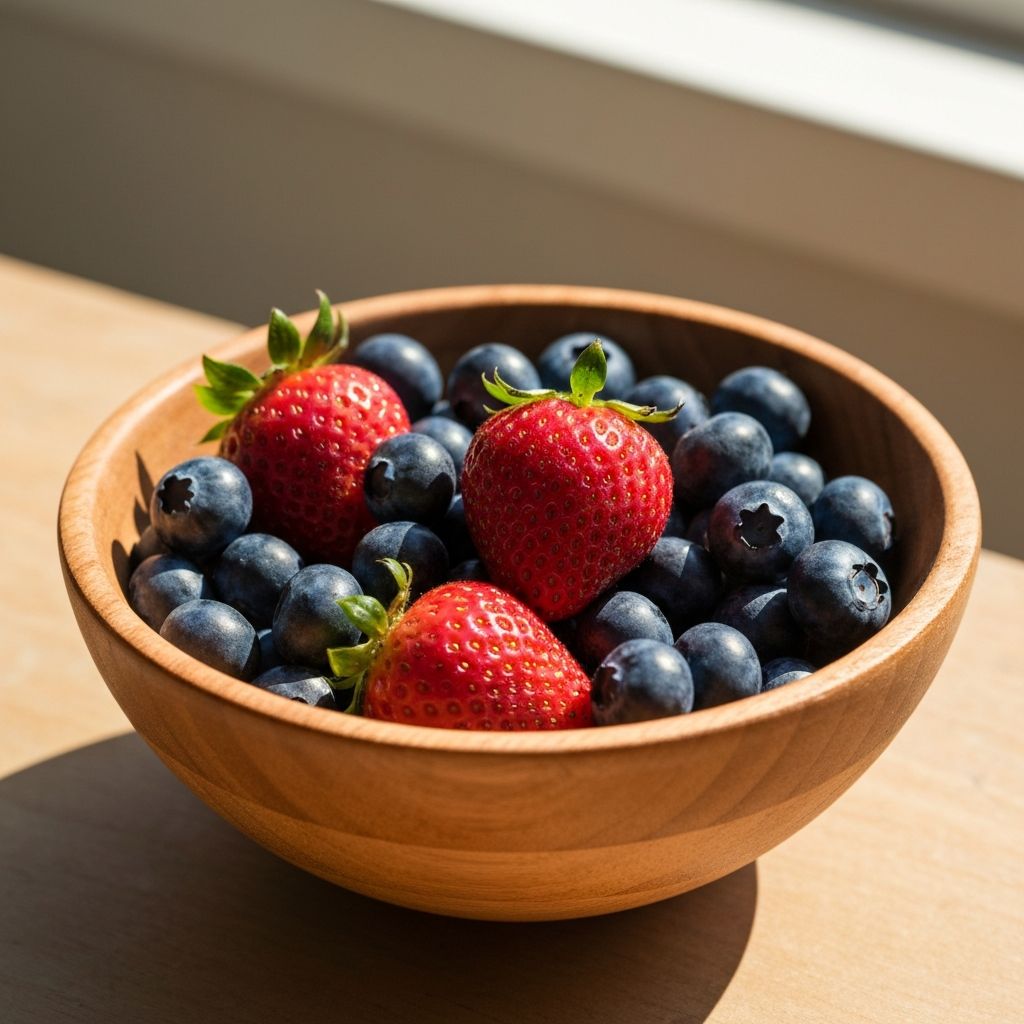
Antioxidants
Berries, dark chocolate, and green tea contain compounds studied for their antioxidant activity. Research examines how these substances interact with cellular processes.
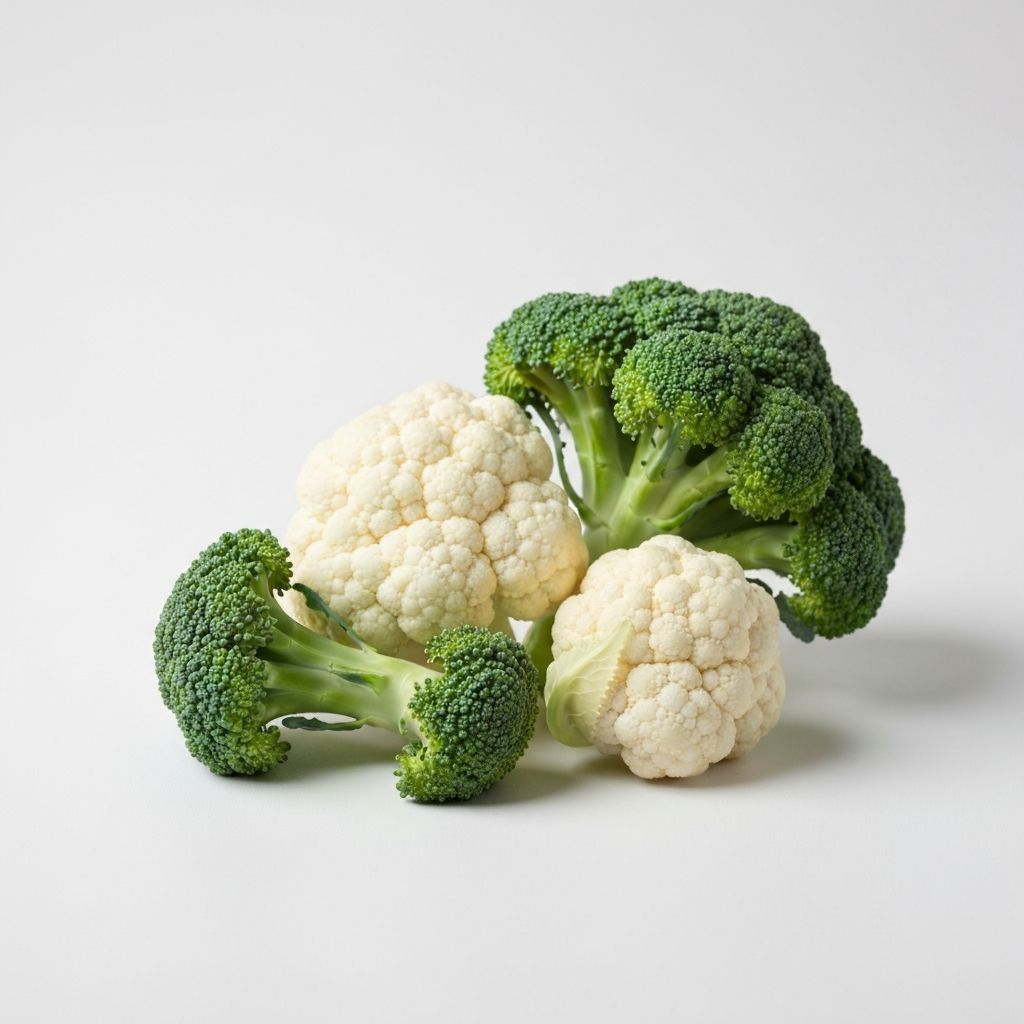
Phytonutrients
Plant-based compounds like sulforaphane in broccoli are subjects of nutritional research. These substances are cataloged in phytochemical databases.
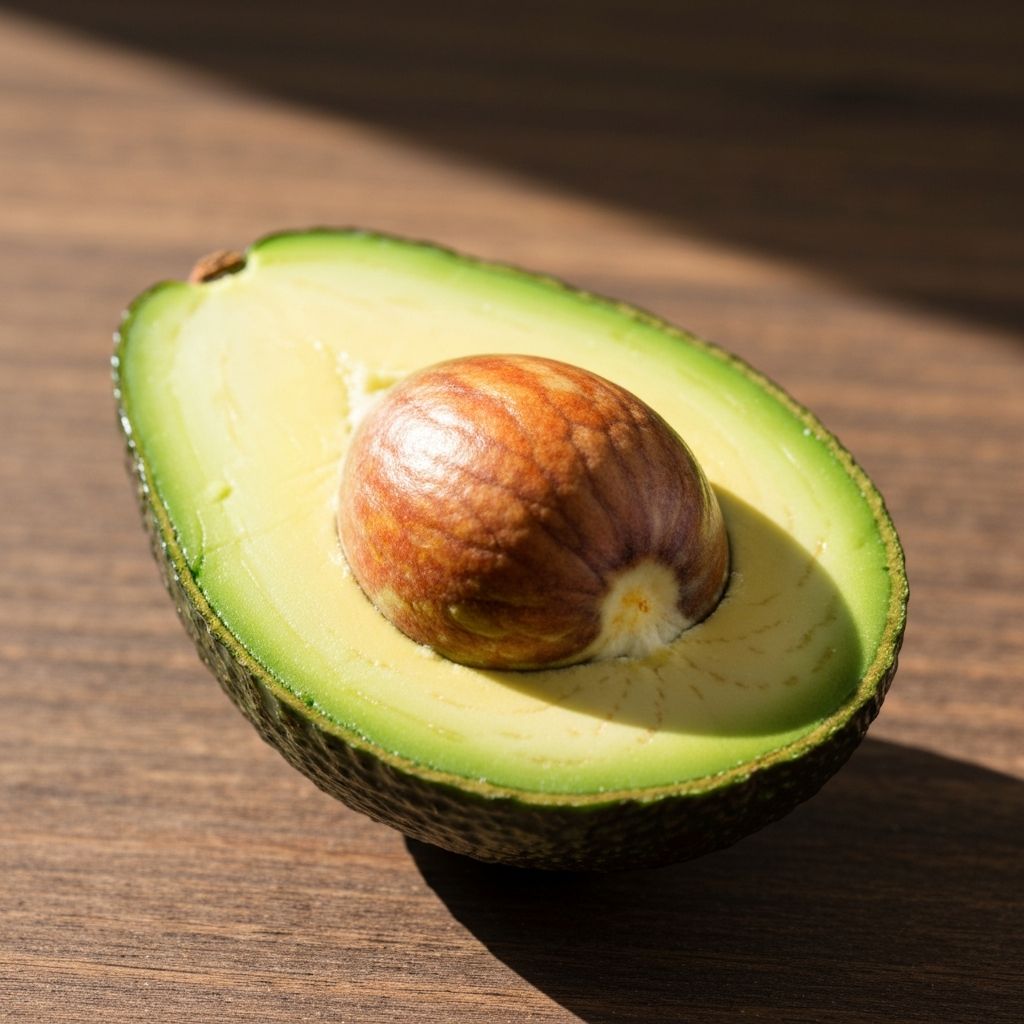
Healthy Fats
Monounsaturated and polyunsaturated fats from avocados, olive oil, and fish are discussed in cardiovascular and metabolic research literature.
Tips for Awareness
Building nutritional awareness involves understanding food choices, reading nutritional information, and recognizing diverse dietary patterns.
Read Food Labels
Nutrition labels display macronutrient content, ingredient lists, and serving sizes. Familiarity with label formats aids in comparing food products.
Variety Matters
Consuming a wide range of foods increases the likelihood of obtaining diverse nutrients. Dietary diversity is a principle emphasized in nutritional guidance.
Understand Portions
Portion awareness relates to energy intake and nutrient density. Educational materials often illustrate standard portion sizes for reference.
Stay Informed
Nutritional science is dynamic. Following reputable sources and academic publications helps maintain current awareness of research developments.
Seasonal Foods
Seasonal eating refers to consuming produce available during specific times of the year. This concept connects to agricultural cycles and regional food systems.
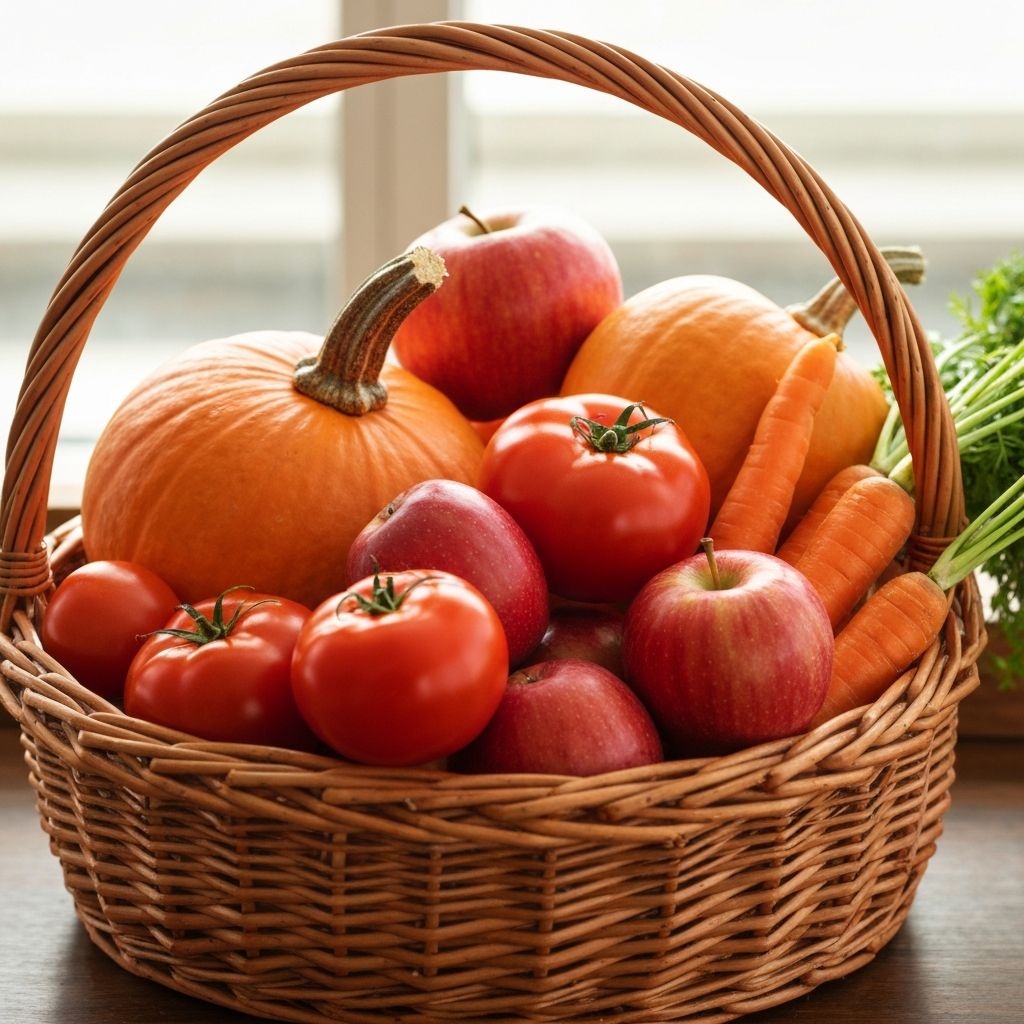
Spring brings leafy greens and asparagus. Summer offers tomatoes, berries, and stone fruits. Autumn features squashes and root vegetables. Winter includes citrus fruits and cruciferous vegetables.
Seasonal availability influences nutrient variety throughout the year and is discussed in sustainable nutrition literature.
Products
Below are examples of nutrient-dense food preparations commonly featured in nutritional education materials.
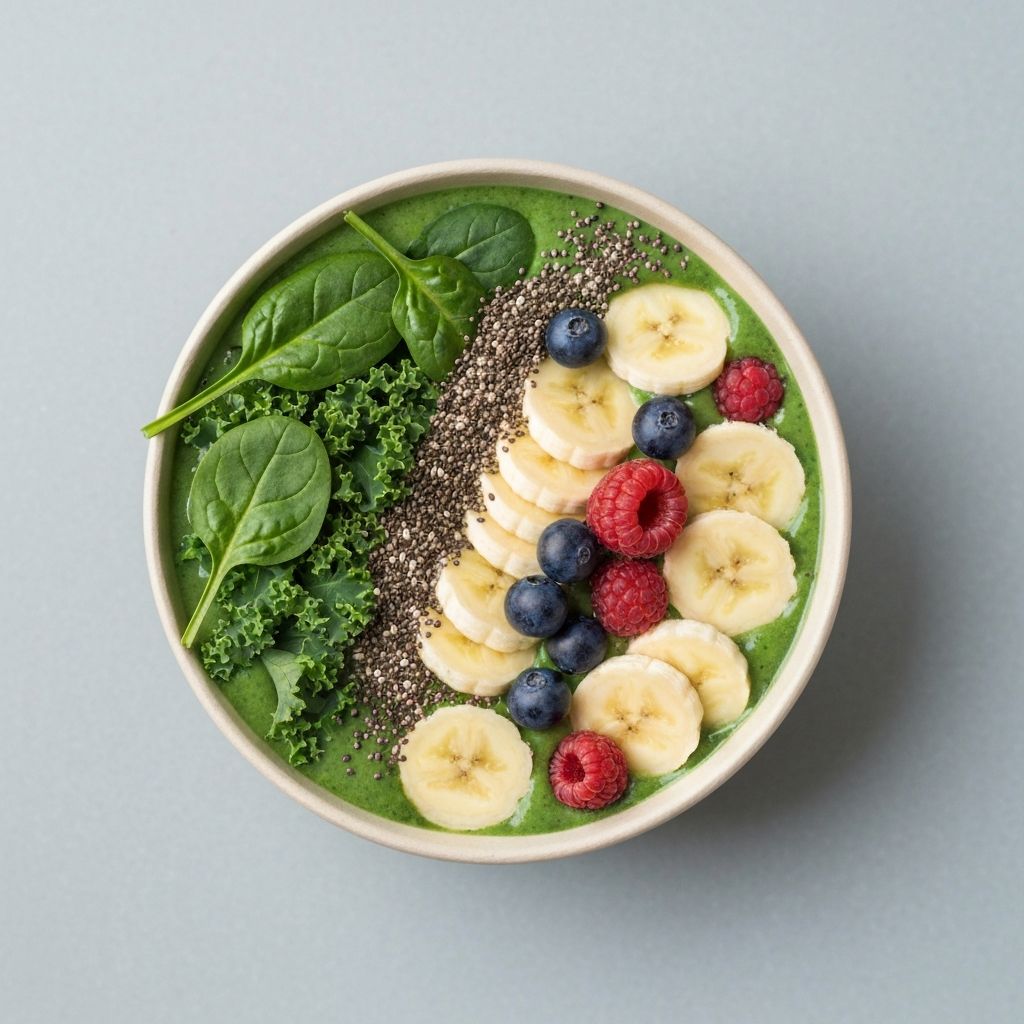
Green Smoothie Bowl
A blend of leafy greens, banana, and berries topped with seeds. This preparation combines multiple food groups and is often discussed in meal planning contexts.
Learn more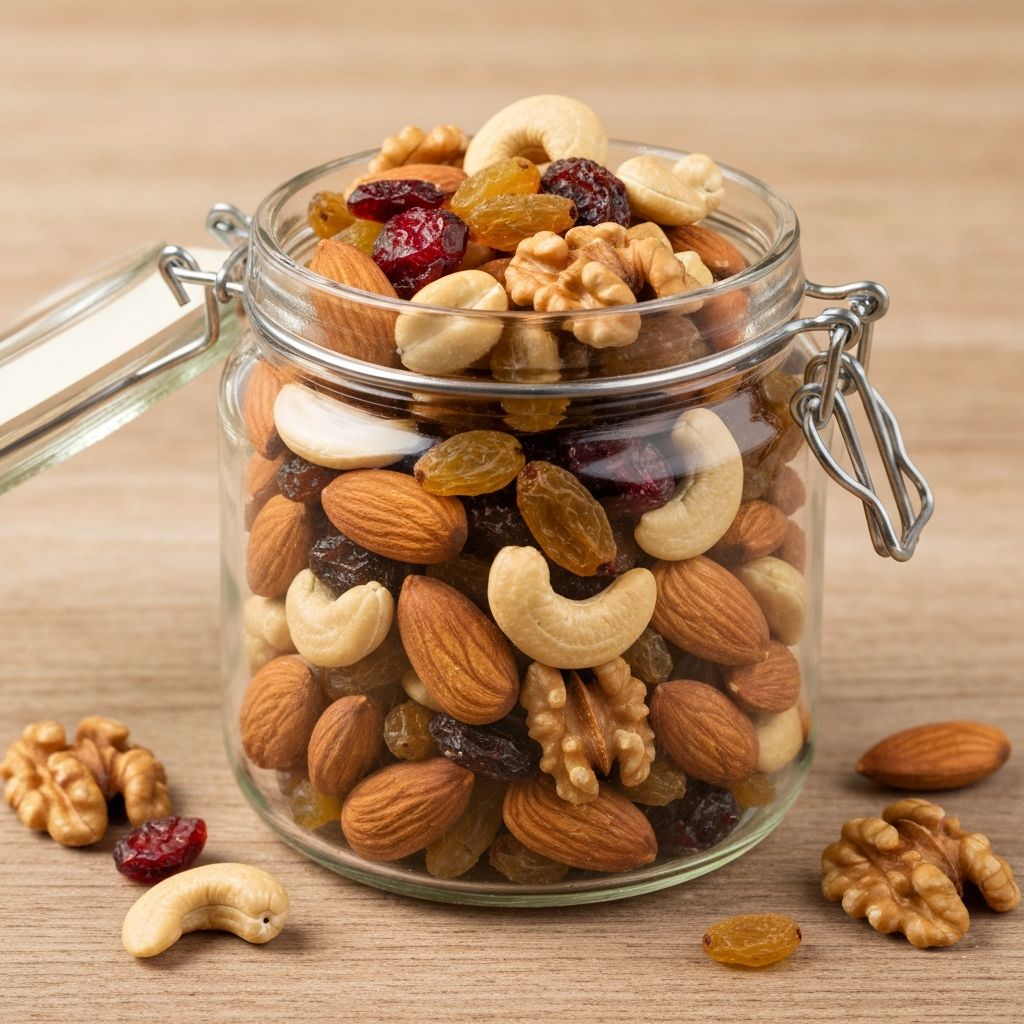
Mixed Nuts Trail Mix
A combination of almonds, walnuts, and dried fruits provides healthy fats and micronutrients. Nuts are studied extensively for their nutritional profiles.
Learn more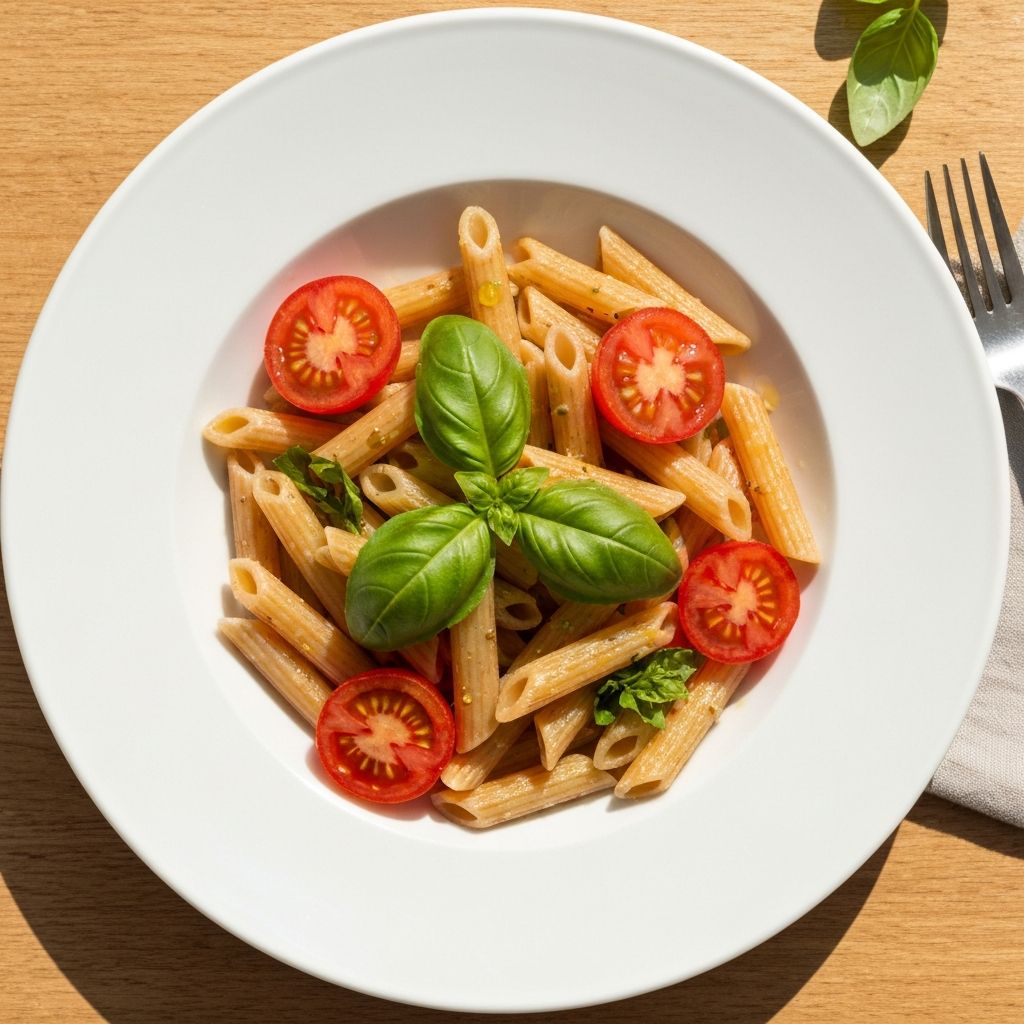
Whole Grain Pasta Dish
Whole grain pasta with vegetables and olive oil illustrates balanced macronutrient distribution. Such meals appear in dietary pattern research.
Learn moreScientific References
The information presented on this website draws from established nutritional science literature and public health resources.
National Institutes of Health, Office of Dietary Supplements. Fact Sheets on various vitamins and minerals. Available online for public access.
USDA FoodData Central. Comprehensive nutritional database providing composition information for thousands of foods.
World Health Organization. Healthy Diet Fact Sheet. Describes global recommendations for nutritional intake patterns.
Harvard T.H. Chan School of Public Health. The Nutrition Source. Educational materials on various aspects of nutrition science.
European Food Safety Authority. Scientific opinions and guidance on dietary reference values for the European population.
Community Knowledge Hub
NutriGuide serves as an educational resource for those interested in learning about nutrition, vitamins, and balanced dietary patterns. Our content is compiled from scientific sources and presented in an accessible format.
We aim to explain nutritional concepts without making individual recommendations. Everyone's nutritional context differs based on personal factors, lifestyle, and circumstances.
Educational Nature of Content
All materials on this website are intended for educational purposes. We explain nutritional concepts, describe food sources, and present scientific findings. This content does not constitute personalized advice or recommendations for individual consumption patterns.
Nutritional needs vary among individuals. We encourage readers to consult with qualified professionals for personalized guidance.
Continue Exploring
Discover more about nutritional science, food composition, and dietary patterns through our educational content.
Educational content only. No promises of outcomes.
Read full article Explore topic